
Supplement Doctor's Blog

Wt training with ketogenic diet - lose more body fat

Posted by Jose Antonio on Thu, Mar 04, 2010 @ 02:12 PM

This is interesting.  If you wt train on a ketogenic diet (very high fat, adequate protein, and very low carb) you will lose a lot of body fat but gain no LBM. But if you switch the ratio to something closer to a 40:30:30 (give or take) ratio, you can gain more LBM but not lose fat.  Things that make you go mmmm...


Abstract
Background
The aim of the present study was to compare the effects of 10 weeks resistance training in combination with either a regular diet (Ex) or a low carbohydrate, ketogenic diet (Lc+Ex) in overweight women on body weight and body composition.

Methods
18 untrained women between 20 and 40 years with BMI ≥ 25 kg*m-2 were randomly assigned into the Ex or Lc+Ex group. Both groups performed 60-100 min of varied resistance exercise twice weekly. Dietary estimates were based on two 4-day weighed records. Body composition was estimated using Dual Energy X-ray Absorptiometry. Fasting blood samples were analyzed for total-, HDL- and LDL-cholesterol, triacylglycerols, and glucose.

Results
16 subjects were included in the analyses. Percentage of energy (En%) from carbohydrates, fat and protein was 6, 66, and 22 respectively in the (Lc+Ex) group and 41, 34, 17 in the Ex group. Mean weight change (pre-post) was -5.6 ± 2.6 kg in Lc+Ex; (p<0.001) and 0.8 ± 1.5 kg in Ex; (p=0.175). The Lc+Ex group lost 5.6 ± 2.9 kg of fat mass (p=0.001) with no significant change in lean body mass (LBM), while the Ex group gained 1.6 ± 1.8kg of LBM (p=0.045) with no significant change in fat mass (p=0.059). Fasting blood lipids and blood glucose were not significantly affected by the interventions.

Conclusion

Resistance exercise in combination with a ketogenic diet may reduce body fat without significantly changing LBM, while resistance exercise on a regular diet may increase LBM in without significantly affecting fat mass. Fasting blood lipids do not seem to be negatively influenced by the combination of resistance exercise and a low carbohydrate diet.

Reference:

http://www.nutritionandmetabolism.com/content/7/1/17 
D is Dynamic!

Posted by Jose Antonio on Wed, Mar 03, 2010 @ 04:00 PM

Want to supercharge your moods, energy level and be healthier to boot? And I'm not off my rocker. Some scientists now believe vitamin D is the pre-eminent vitamin. It does so many good things that to not supplement it would be akin to taking a parachute when you go sky diving. Not smart, eh. We know for example that vitamin D deficiency is an increasingly described phenomenon worldwide, with dramatic effects on calcium metabolism and bone health. Vitamin D deficiencies have also been associated with a variety of not so good things. Things that make you want to curl up into a ball, pig out on donuts, and watch TiVo'd reruns of the Sopranos. For instance, you might have a greater risk of bowel and colonic cancer, arthritis, diabetes and heart disease.

In recent decades, there has been increased awareness of the impact of vitamin D on muscle morphology and function; In the early part of 20th century, athletes and coaches felt that ultraviolet rays had a positive impact on athletic performance, and abracadabra, that's why we love the sun. Well sort of. The bikinis help too.

"Both cross-sectional and longitudinal studies allude to a functional role for vitamin D in muscle and more recently the discovery of the vitamin D receptor in muscle tissue provides a mechanistic understanding of the function of vitamin D within muscle."(1)

Also, vitamin D supplementation has been shown to improve tests of muscle performance, reduce falls, and possibly impact on muscle fiber composition and morphology in vitamin D deficient older adults.(2) Another study found that vitamin D was significantly associated with muscle power and force in adolescent girls.(3)

The bottom line is this: the RDA for vitamin D is paltry (200-600IUs daily); that would be like walking across the Sahara desert with bottle of Jack Daniels and expecting it to hydrate you for the long march. Instead, get out in the sun! Expose your body at least 3 times per week to 30 minutes of good UV light. And if you live in a cruddy place like Cleveland or Seattle where there are about as many sunny days as there are hairs on a bald man's head, then supplement my friend. Take at least 2000-4000IUs per day.


References
1. Hamilton B. Vitamin D and Human Skeletal Muscle. Scand J Med Sci Sports 2009.
2. Ceglia L. Vitamin D and its role in skeletal muscle. Curr Opin Clin Nutr Metab Care 2009;12:628-33.
3. Ward KA, Das G, Berry JL, et al. Vitamin D status and muscle function in post-menarchal adolescent girls. J Clin Endocrinol Metab 2009;94:559-63.


Creatine for Muscle Building, Power, and Recovery

Posted by Jose Antonio on Wed, Mar 03, 2010 @ 01:27 PM

Suffice it say that the single most studied dietary supplement that has been proven to build muscle and enhance power and strength is none other than creatine, specifically, creatine monohydrate. We know this amazing compound increases the size of slow and fast twitch muscle fibers. We also know that it can help performance for athletes who are interested in strength-power or muscular endurance. But one function that many are not aware of, is its ability to promote recovery. For example, we know that eccentric exercise-induced damage leads to reductions in muscle force, increased soreness, and impaired muscle function. 

Creatine monohydrate's (Cr) ergogenic potential is known; yet few studies have directly examined the effects of Cr supplementation on recovery after damage. A recent study looked at the effects of Cr supplementation on muscle proteins and force recovery after eccentrically-induced muscle damage in healthy individuals. http://www.jissn.com/content/6/1/13 Remember that it is the eccentric or negative contractions that promote muscle damage.

In this study, 14 untrained male participants (22.1 ± 2.3 yrs, 173 ± 7.7 cm, 76.2 ± 9.3 kg) were randomly separated into 2 supplement groups: i) Cr and carbohydrate (Cr-CHO); or ii) carbohydrate (CHO). Participants consumed their supplement for a period of 5 days prior to, and 14 days following a resistance exercise session. Participants performed 4 sets of 10 eccentric-only repetitions at 120% of their maximum concentric 1-RM on the leg press, leg extension and leg flexion exercise machine. Plasma creatine kinase (CK) and lactate dehydrogenase (LDH) activity were assessed as relevant blood markers of muscle damage. Muscle strength was examined by voluntary isokinetic knee extension using a Cybex dynamometer. So what did they find?

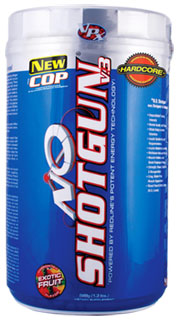
The Cr-supplemented group had significantly greater isokinetic (10% higher) and isometric (21% higher) knee extension strength during recovery from exercise-induced muscle damage. Also, plasma CK activity was significantly lower (by an average of 84%) after 48 hrs, 72 hrs, 96 hrs, and 7 days recovery in the Cr-supplemented group. According to the study's authors, the major finding of this investigation was a significant improvement in the rate of recovery of knee extensor muscle function after Cr supplementation following injury. So think about it. Cr isn't just for muscle-building. It is also one of the best recovery agents on the market! Many of the VPX products such as NO-Shotgun have efficacious doses of creatine.


So what are you waiting for?


Protein - Not Just a Muscle-Builder; Great for Women

Posted by Jose Antonio on Tue, Mar 02, 2010 @ 03:57 PM

Protein - Not Just a Muscle-Builder; Great for Women


A recent study from the Journal of the International Society of Sports Nutrition (http://www.jissn.com/content/7/1/4 ) proves once again how important dietary protein really is. In this study, fifteen normal weighted women involved in recreational resistance training and aerobic training were recruited for the study (mean age 28.5 yr). They were randomized into two groups. The 1 KG group (energy deficit 1100 kcal/day) was supervised to reduce body weight by 1 kg per week and the 0.5 KG group (energy deficit 550 kcal/day) by 0.5 kg per week, respectively. In both groups protein intake was kept at least 1.4 g/kg body weight/day and the weight reduction lasted four weeks. At the beginning of the study the energy need was calculated using food and training diaries. The same measurements were done before and after the 4-week weight reduction period including total body composition (DXA), serum hormone concentrations, jumping ability and strength measurements. What did they find? During the 4-week weight reduction period there were no changes in lean body mass and bone mass, but total body mass, fat mass and fat percentage decreased significantly in both groups. This is important because one of the worst things that can happen to you when you diet is to lose precious lean body mass. To prevent it, eat more protein. In fact, the changes were greater in the 1 KG group than in the 0.5 KG group in total body mass, fat mass and fat percentage. After the 4-week period there were no changes in strength performance in 0.5 KG group, however in 1 KG maximal strength in bench press decreased while endurance strength in squat and counter movement jump improved. It is concluded that a weight reduction by 0.5 kg per week with ~1.4 g protein/kg body weight/day can be recommended to normal weighted, physically active women instead of a larger (e.g. 1 kg per week) weight reduction because the latter may lead to a catabolic state. Vertical jumping performance is improved when fat mass and body weight decrease. Thus a moderate weight reduction prior to a major event could be considered beneficial for normal built athletes in jumping events.


From a practical standpoint, anytime you calorically restrict, make sure you get plenty of protein or amino acids. Protein Rush and Power Shock are two excellent products that can fulfill those requirements.


Are Bees Addicted to Caffeine and Nicotine?

Posted by Jose Antonio on Sun, Feb 21, 2010 @ 06:51 AM

Heck, I know I'm addicted to caffeine!  (Skip the nicotine for me)...but bees?  Just goes to show you, if it makes ya feel good, then hey why not bees?  Kinda puts a twist in the 'birds and bees' talk that you have with your young ones;-) 

***********************************************************

ScienceDaily (Feb. 15, 2010) - Bees prefer nectar with small amounts of nicotine and caffeine over nectar that does not comprise these substances at all, a study from the University of Haifa reveals. "This could be an evolutionary development intended, as in humans, to make the bee addicted," states Prof. Ido Izhaki, one of the researchers who conducted the study.

Flower nectar is primarily comprised of sugars, which provide energy for the potential pollinators. But the floral nectar of some plant species also includes small quantities of substances known to be toxic, such as caffeine and nicotine. The present study, carried out by researchers at the Department of Environmental and Evolutionary Biology and the Department of Science Education at the University of Haifa-Oranim, headed by Prof. Ido Izhaki along with Prof. Gidi Ne'eman, Prof. Moshe Inbar and Dr. Natarajan Singaravelan, examined whether these substances are intended to "entice" the bees or whether they are byproducts that are not necessarily linked to any such objective.

Nicotine is found naturally in floral nectar at a concentration of up to 2.5 milligrams per liter, primarily in various types of tobacco tree (Nicotiana glauca). Caffeine is found at concentration levels of 11-17.5 milligrams per liter, mostly in citrus flowers. In the nectar of grapefruit flowers, however, caffeine is present in much higher concentrations, reaching 94.2 milligrams per liter. In order to examine whether bees prefer the nectar containing caffeine and nicotine, the researchers offered artificial nectar that comprised various natural sugar levels and various levels of caffeine and nicotine, alongside "clean" nectar that comprised sugar alone. The caffeine and nicotine concentrations ranged from the natural levels in floral nectar up to much higher concentrations than found in nature.

The results showed that bees clearly prefer nectar containing nicotine and caffeine over the "clean" nectar. The preferred nicotine concentration was 1 milligram per liter, similar to that found in nature. Given a choice of higher levels of nicotine versus "clean" nectar, the bees preferred the latter.

According to the researchers, it is difficult to determine for sure whether the addictive substances in the nectar became present in an evolutionary process in order to make pollination more efficient. It can be assumed, however, based on the results of the study, that the plants that survived natural selection are those that developed "correct" levels of these addictive substances, enabling them to attract and not repel bees, thereby giving them a significant advantage over other plants. The researchers emphasized that this study has proved a preference, not addiction, and they are currently examining whether the bees do indeed become addicted to nicotine and caffeine.

Reference: http://www.sciencedaily.com/releases/2010/02/100210101504.htm

Muscle building supplement update - Creatine does NOT dehydrate you!

Posted by Jose Antonio on Sat, Feb 20, 2010 @ 06:07 AM

One of the pervasive myths surrounding the use of creatine is that it’ll make you lose water faster, dehydrate you, etc…well, you know what? This is just another example of moronic conclusions derived from muddled thinking.  If creatine were so bad for your fluid balance, then you’d suspect that if you worked your tail off under heat-stressed conditions, and you were a creatine consumer, that you’d fall over with cramps worse than a bitter-beer face. Here’s what a study from San Diego University showed us. (Kern et al. 2001.  Physiological response to exercise in the heat following creatine supplementation. Journal of Exercise Physiology online.  4(2).)

Twenty college males supplemented with creatine or a placebo for 28 days. Subjects in the creatine group consumed 4 doses of creatine (5.25 g per dose) for five days; for the remaining 23 days, they consumed 2 doses of creatine per day.  The placebo group got equal dosages of a placebo.

Subjects exercised on a bike for 60 minutes at 60% of their max oxygen uptake under hot conditions (99 degrees F, 25% relative humidity).  The found that the rise in body temperature during cycling exercise was less in the creatine group.  This was due in part to the fact that the creatine group had a gain in total body water over the one-month supplementation period. 

What does this tell you?  Well, despite the anecdotal reports that creatine causes dehydration, cramping, etc, the subjects in this study reported no side effects.  In fact, this study shows the opposite of what you’ve read. Does creatine dehydrate you? Clearly not.

Recently, a 2009 study stated the following: “No evidence supports the concept that creatine supplementation either hinders the body's ability to dissipate heat or negatively affects the athlete's body fluid balance. Controlled experimental trials of athletes exercising in the heat resulted in no adverse effects from creatine supplementation at recommended dosages.”(2)

References

1.         Kern et al. 2001.  Physiological response to exercise in the heat following creatine supplementation. Journal of Exercise Physiology online.  4(2).

2.         Lopez RM, Casa DJ, McDermott BP, Ganio MS, Armstrong LE, Maresh CM. Does creatine supplementation hinder exercise heat tolerance or hydration status? A systematic review with meta-analyses. J Athl Train 2009;44:215-23.


Meltdown RTD - fat burner extraordinaire

Posted by Jose Antonio on Fri, Feb 19, 2010 @ 05:48 AM

The Meltdown RTD jacks up metabolism and fat burning potential.  Read the abstract of the study published in the journal, Lipids in Health and Disease.   http://www.lipidworld.com/content/8/1/57 


Background

The purpose of this study was to examine the acute metabolic effects of a high-energy drink in healthy, physically-active women.

Methods

Ten women (20.4 ± 0.70 y; 166.9 ± 7.2 cm; 67.0 ± 7.0 kg; 29.6 ± 6.5% body fat) underwent two testing sessions administered in a randomized and double-blind fashion. Subjects reported to the laboratory in a 3-hr post-absorptive state and were provided either 140 ml of the high-energy drink (SUP; commercially marketed as Meltdown RTDTM) or placebo (P). Subjects consumed two 70 ml doses of SUP or P, separated by 30 min and rested in a semi-recumbent position for 3 hours. Resting oxygen consumption (VO2) and heart rate (HR) were determined every 5 min during the first 30 min and every 10 min during the next 150 min. Blood pressure (BP) was determined every 15 min during the first 30 min and every 30 min thereafter. Area under the curve (AUC) analysis was computed for VO2, whereas a 3-hour average and hourly averages were calculated for respiratory quotient (RQ), total kcal, HR, BP, and profile of mood states (POMS).

Results

AUC analysis revealed a 10.8% difference (p = 0.03) in VO2 between SUP and P. No difference in VO2 was seen between the groups in the first hour, but VO2 in SUP was significantly greater than P in the second (13.9%, p = 0.01) and third hours (11.9%, p = 0.03). A difference (p = 0.03) in energy expenditure was seen between SUP (1.09 ± 0.10 kcal·min-1) and P (0.99 ± 0.09 kcal·min-1) for the 3-hour period. Although no difference in energy expenditure was seen in the first hour, significant differences between SUP and P were observed in the second (1.10 ± 0.11 kcal·min-1 and 0.99 ± 0.09 kcal·min-1, respectively; p = 0.02) and third hour (1.08 ± 0.11 kcal·min-1 and 0.99 ± 0.09 kcal·min-1, respectively; p = 0.05). Average systolic BP was significantly higher (p = 0.007) for SUP (110.0 ± 3.9 mmHg) compared to P (107.3 ± 4.4 mmHg). No differences were seen in HR, diastolic BP, or POMS at any time point.

Conclusions

Results showed a significant increase in energy expenditure in young, healthy women following an acute ingestion of a high-energy drink.

The Ultimate Fat Burner

Posted by Jose Antonio on Fri, Feb 19, 2010 @ 05:44 AM

Check out this study showing that Meltdown has at least a 6 hour thermogenic effect.  A fat burner indeed.

Effect of the dietary supplement Meltdown on catecholamine secretion, markers of lipolysis, and metabolic rate in men and women: a randomized, placebo controlled, cross-over study.  Authors: Richard J Bloomer , Robert E Canale , Megan M Blankenship , Kelley G Hammond , Kelsey H Fisher-Wellman  and Brian K Schilling  Lipids in Health and Disease 2009, 8:32doi:10.1186/1476-511X-8-32

Background

We have recently reported that the dietary supplement Meltdown® increases plasma norepinephrine (NE), epinephrine (EPI), glycerol, free fatty acids (FFA), and metabolic rate in men. However, in that investigation measurements ceased at 90 minutes post ingestion, with values for blood borne variables peaking at this time. It was the purpose of the present investigation to extend the time course of measurement to 6 hours, and to include women within the design to determine if sex differences to treatment exist.

Methods

Ten men (24 ± 4 yrs) and 10 women (22 ± 2 yrs) ingested Meltdown® or a placebo, using a randomized, cross-over design with one week separating conditions. Blood samples were collected immediately before supplementation and at one hour intervals through 6 hours post ingestion. A standard meal was provided after the hour 3 collection. Samples were assayed for EPI, NE, glycerol, and FFA. Five minute breath samples were collected at each time for measurement of metabolic rate and substrate utilization. Area under the curve (AUC) was calculated. Heart rate and blood pressure were recorded at all times. Data were also analyzed using a 2 (sex) × 2 (condition) × 7 (time) repeated measures analysis of variance, with Tukey post hoc testing.

Results

No sex × condition interactions were noted for AUC for any variable (p > 0.05). Hence, AUC data are collapsed across men and women. AUC was greater for Meltdown® compared to placebo for EPI (367 ± 58 pg·mL-1·6 hr-1 vs. 183 ± 27 pg·mL-1·6 hr-1; p = 0.01), NE (2345 ± 205 pg·mL-1·6 hr-1 vs. 1659 ± 184 pg·mL-1·6 hr-1; p = 0.02), glycerol (79 ± 8 μg·mL-1·6 hr-1 vs. 59 ± 6 μg·mL-1·6 hr-1; p = 0.03), FFA (2.46 ± 0.64 mmol·L-1·6 hr-1 vs. 1.57 ± 0.42 mmol·L-1·6 hr-1; p = 0.05), and kilocalorie expenditure (439 ± 26 kcal·6 hrs-1 vs. 380 ± 14 kcal·6 hrs-1; p = 0.02). No effect was noted for substrate utilization (p = 0.39). Both systolic and diastolic blood pressure (p < 0.0001; 1-16 mmHg), as well as heart rate (p = 0.01; 1-9 bpm) were higher for Meltdown®. No sex × condition × time interactions were noted for any variable (p > 0.05).

Conclusion

Ingestion of Meltdown® results in an increase in catecholamine secretion, lipolysis, and metabolic rate in young men and women, with a similar response for both sexes. Meltdown® may prove to be an effective intervention strategy for fat loss, assuming individuals are normotensive and their treatment is monitored by a qualified health care professional.

Most Patients Gain Weight After Knee Replacement Surgery

Posted by Jose Antonio on Wed, Feb 17, 2010 @ 04:44 PM

(Perhaps they should stop eating donuts and consume protein and/or essential amino acids to prevent muscle atrophy!)


ScienceDaily (Feb. 16, 2010) - You'd think folks who've had knee replacement surgery -- finally able to walk and exercise without pain -- would lose weight instead of put on pounds, but surprisingly that's not the case, according to a University of Delaware study.


Researchers Joseph Zeni and Lynn Snyder-Mackler in the Department of Physical Therapy in UD's College of Health Sciences found that patients typically drop weight in the first few weeks after total knee arthroplasty (TKA), but then the number on the scale starts creeping upward, with an average weight gain of 14 pounds in two years.
The study, which was sponsored by the National Institutes of Health, is reported in the Jan. 15 online edition of Osteoarthritis and Cartilage, the official journal of the Osteoarthritis Research Society International.


The research involved 106 individuals with end-stage osteoarthritis who had knee replacement surgery, and an age-matched, healthy control group of 31 subjects who did not have surgery. Height, weight, quadriceps strength, and self-perceived functional ability were measured during an initial visit to UD's Physical Therapy Clinic, and at a follow-up visit two years later.


"We saw a significant increase in body mass index (BMI) over two years for the surgical group, but not the control group," says Zeni, a research assistant professor at UD. "Sixty-six percent of the people in the surgical group gained weight over the two years -- the average weight gain was 14 pounds."
Those who had the knee replacement surgery started out heavier and ended heavier than the control group. The weaker the surgery patients were, as measured by the strength of the quadriceps, the more weight they gained, Zeni notes.


"These findings are making us re-think the component after total knee surgery and of patients not being in a routine of moving around," says Snyder-Mackler, Alumni Distinguished Professor of Physical Therapy at UD.
She notes that it's critical that people not wait too long to have a knee replaced because their functional level going into surgery typically dictates their functional level after surgery.
Gaining weight after one knee replacement is worrisome because it could jeopardize the patient's other knee. Between 35-50 percent will have surgery on the other side within 10 years, Snyder-Mackler says.


The researchers note that weight gain after a knee replacement needs to be treated as a separate concern and integrated into post-operative care through a combination of approaches, including nutritional counseling to help patients with portion control, and more emphasis on retraining patients with new knees to walk normally.

"For physical therapists and surgeons, the common thinking is that after a patient's knee has been replaced, that patient will be more active," says Snyder-Mackler. "But the practices and habits these patients developed to get around in the years prior to surgery are hard to break, and often they don't take advantage of the functional gain once they get a new knee," she notes.

"We need to re-train patients with new knees to walk more normally and more systematically. And we need to encourage more community participation," Snyder-Mackler adds. "If you're not getting out of the house, you won't gain the benefit. We need people with new knees to get out there -- with the help of their family, their friends, and the community at large."

http://www.sciencedaily.com/news/health_medicine/nutrition/ 


Simple Strategies First - Macronutrient Ratios

Posted by Jose Antonio on Wed, Feb 03, 2010 @ 05:17 PM

Simple Strategies First!

You know the Keep It Simple Stupid principle.  I’m a big fan of it.  Maybe it’s because I’m lazy.  Or maybe it’s because I don’t think nutrition should be about advanced mathematics.  Or perhaps both.  My wife says I’m lazy.  But I call it efficientJ 

When it comes to improving body composition, I’m a firm believer in adopting simple strategies first.  Besides exercising more, which is simple but painful, there are other easy things to do.  A recent study in the Nutrition & Metabolism Journal exemplified this tenet.  In this study, a bunch of lab geeks examined the physiological response to 10 weeks of combined aerobic and resistance exercise (EX) versus exercise + minimal nutrition intervention designed to alter the macronutrient profile.  Most importantly, this nutrition intervention did NOT involve energy restriction!  So they could still eat like pigs or pigeons if they so desired.  They used a commercially available high-protein/low-carbohydrate and low-fat, nutrient-dense food supplement (EXFS); versus control (CON). ( Lockwood CM et al. Nutrition & Metabolism 2008, 5:11doi:10.1186/1743-7075-5-11 ).  The nutrient profile of the supplement was as follows:  1 serving equaled 300 kcal, 5 g of fat, 25 of carbs, and 40 g of protein with roughly 50% of the RDA for vitamins and minerals.  So they took 38 sedentary, overweight subjects and randomly assigned them to either CON, EX, or EXFS. EX and EXFS participated in supervised resistance and endurance training (2x and 3x/wk, respectively); EXFS consumed 1 shake/d (weeks 1 and 2) and 2 shakes/d (weeks 3-10).  So what happened?  Remember that it is the EXFS group that is taking the supplement.

As expected, the EX and EXFS significantly decreased fat mass (-4.6% and -9.3%, respectively), with a greater decrease in EXFS than EX and CON. Muscle mass increased only in EXFS.  Time-to-exhaustion during treadmill testing increased in EX (+9.8%) but was significantly less than in EXFS (+21.2%). Total cholesterol and LDL decreased only in the EXFS (-12.0% and - 13.3%).

So what do you make of this information?  First of all, the very simple addition of an MRP that is high in protein, and lower in carbohydrate can improve exercise performance and lower body fat levels.  There was no crazy diet involved; no counting carbs; no counting fat, and no counting sheep.  Thank god.  So for all practical purposes, this means that if your initial goal is to lose body fat, and perhaps improve exercise capacity, just drop your carbs and eat more protein.  Better yet, make it easy on yourself and just consume a protein shake such as this one in this study.  Also, this study goes to the heart of why so many dietary interventions fail in the long run.  And that’s because they’re do damn complicated.  South Beach, North Beach, Atkins, Fatkins.  I mean who has time to figure out these diets? Just cut back on the carbs silly.  It’ll go a long way towards shrinking your waistline and increasing your muscle mass.  Hey.  Isn’t this what bodybuilders have said for the past 50 years?

Reference

  1. Lockwood CM et al. Minimal nutrition intervention with high-protein/low-carbohydrate and low-fat, nutrient-dense food supplement improves body composition and exercise benefits in overweight adults: A randomized controlled trial. Nutrition & Metabolism 2008, 5:11doi:10.1186/1743-7075-5-1